Cheque Dishonour Cases in India: Legal Remedies, Section 138 NI Act, and Court Procedures Explained
Cheque Dishonour Cases in India: Legal Remedies, Section 138 NI Act, and Court Procedures Explained
In financial and business transactions, cheques are commonly used as a trusted payment instrument. However, situations arise where a cheque issued by a person or business is returned unpaid by the bank. This situation is known as cheque dishonour or cheque bounce. Cheque dishonour can lead to financial loss, legal disputes, and damage to business relationships.
To protect the credibility of cheque transactions and ensure financial discipline, Indian law provides strict legal provisions for cheque dishonour. The most important legal framework governing such cases is Section 138 of the Negotiable Instruments Act, 1881. This law allows the payee to take legal action against the person who issued the cheque if it is dishonoured.
Understanding cheque dishonour laws, legal remedies, and court procedures is essential for individuals, business owners, and professionals who deal with financial transactions.
What is Cheque Dishonour?
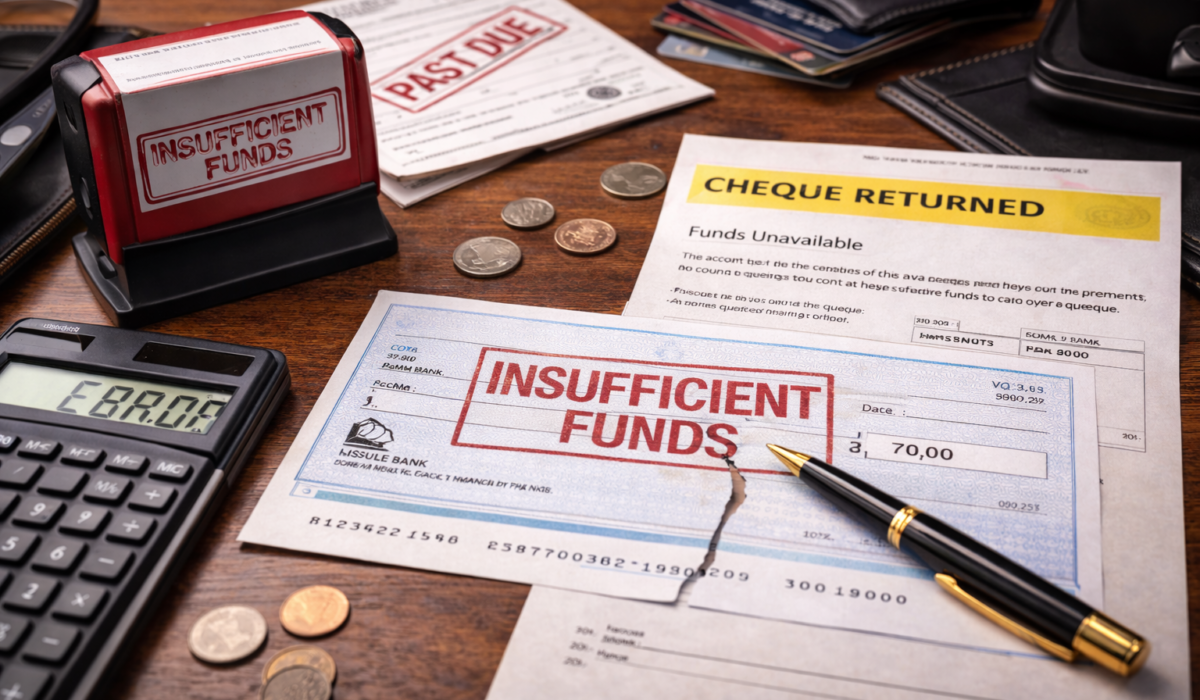
Cheque dishonour occurs when a bank refuses to honor or process a cheque presented for payment. This typically happens when the issuer does not have sufficient funds in their account or when the cheque fails to meet banking requirements.
When a cheque is dishonoured, the bank returns it to the payee along with a written memo explaining the reason for rejection.
Cheque bounce cases are taken seriously in India because they affect financial credibility and trust in commercial transactions.
Common Reasons for Cheque Dishonour
There are several reasons why a cheque may be dishonoured by a bank.
Insufficient Funds
This is the most common reason for cheque bounce. It occurs when the issuer’s bank account does not have enough balance to cover the cheque amount.
Signature Mismatch
If the signature on the cheque does not match the signature registered with the bank, the cheque may be rejected.
Overwriting or Alterations
Cheques containing corrections, overwriting, or unclear details may be considered invalid.
Expired Cheque
A cheque must usually be presented within three months from the date mentioned on it. After this period, it becomes invalid.
Account Closed
If the issuer has closed their bank account, the cheque cannot be processed.
Stop Payment Instructions
Sometimes the issuer instructs the bank to stop payment on the cheque, which may also result in dishonour.
Legal Framework for Cheque Bounce in India
Cheque dishonour cases in India are governed primarily by Section 138 of the Negotiable Instruments Act, 1881.
This law makes cheque dishonour a criminal offense under certain conditions.
If a cheque is issued for repayment of a legally enforceable debt and it is dishonoured due to insufficient funds or similar reasons, the issuer may face legal consequences.
The law aims to maintain trust in financial transactions and discourage fraudulent practices.
Conditions for Filing a Cheque Bounce Case
Certain legal conditions must be fulfilled before filing a cheque dishonour case.
- The cheque must be issued to repay a legally enforceable debt or liability.
- The cheque must be presented to the bank within its validity period.
- The bank must return the cheque with a dishonour memo.
- The payee must send a legal notice to the issuer within 30 days of receiving the dishonour memo.
- The issuer must fail to make payment within 15 days after receiving the legal notice.
If these conditions are met, the payee has the right to file a criminal complaint in court.
Legal Procedure for Cheque Dishonour Cases
Cheque bounce cases follow a specific legal procedure.
Sending a Legal Notice
The first step after cheque dishonour is sending a legal notice to the issuer. This notice demands payment of the cheque amount within 15 days.
The notice must clearly mention:
- Cheque details
- Amount due
- Date of dishonour
- Demand for payment
A lawyer usually drafts and sends this notice.
Filing a Complaint in Court
If the issuer fails to pay within the notice period, the payee can file a complaint in the appropriate magistrate court.
The complaint must be filed within one month after the notice period expires.
The complainant must submit documents such as:
- Original cheque
- Bank dishonour memo
- Copy of legal notice
- Proof of notice delivery
Court Proceedings
After reviewing the complaint, the court may issue summons to the accused person.
Both parties present evidence, documents, and witness testimony. The court examines the facts and determines whether the offense has been committed.
Judgment and Penalty
If the court finds the accused guilty, penalties may include:
- Payment of the cheque amount with compensation
- Fine imposed by the court
- Imprisonment of up to two years in certain cases
The court may also order settlement between the parties if they mutually agree.
Defenses Available to the Accused
In cheque dishonour cases, the accused may present certain legal defenses.
Some common defenses include:
- The cheque was issued as a gift or security and not for debt repayment
- The cheque was lost or stolen
- The debt does not legally exist
- The cheque was misused without authorization
The court evaluates evidence before accepting any defense.
Importance of Cheque Dishonour Laws
Cheque bounce laws play a vital role in maintaining trust in financial systems and business transactions.
They help:
- Protect creditors and businesses from financial loss
- Encourage responsible financial behavior
- Ensure credibility in banking transactions
- Provide legal remedies for unpaid debts
Without such legal protection, cheque-based payments could become unreliable.
Preventive Measures to Avoid Cheque Dishonour
Individuals and businesses can take certain precautions to avoid cheque bounce situations.
Maintain Sufficient Bank Balance
Ensure that adequate funds are available in the bank account before issuing a cheque.
Verify Transaction Details
Check the cheque details carefully to avoid errors such as incorrect dates or signatures.
Maintain Financial Records
Proper documentation helps avoid disputes regarding payments and liabilities.
Use Secure Payment Methods
In many situations, digital payments and bank transfers can reduce the risk of cheque dishonour.
Role of Lawyers in Cheque Bounce Cases
Legal professionals play an important role in handling cheque dishonour matters.
A lawyer can help by:
- Drafting and sending legal notices
- Filing court complaints
- Representing clients during hearings
- Negotiating settlements
- Ensuring legal compliance
Professional legal guidance increases the chances of resolving disputes effectively.
Conclusion
Cheque dishonour cases are a significant legal issue in India because they affect financial stability and trust in commercial transactions. The law provides clear legal remedies to individuals and businesses when a cheque is returned unpaid.
Section 138 of the Negotiable Instruments Act ensures that cheque issuers are held accountable for financial commitments. By understanding the legal process, rights, and responsibilities involved in cheque transactions, individuals can protect themselves from financial loss and legal complications.
With proper awareness and responsible financial practices, cheque dishonour disputes can be minimized, ensuring smoother and more reliable financial dealings.